Flickerings Home

Category

Cinematic Analysis

21 articles

Caught in the Act: How Great Films Smuggle Real Life Into Every Frame

Caught in the Act: How Great Films Smuggle Real Life Into Every Frame

There's a specific kind of gut-punch that happens when a movie does something so quietly, so accurately human that you forget you're watching fiction. It's not about big dramatic moments — it's about the stolen gestures, the half-finished sentences, the mundane details that filmmakers quietly lift from reality and smuggle onto screen. We dig into how directors mine everyday life for cinematic gold, and why those tiny stolen moments are the ones that hit hardest.
You Already Scared Yourself: The Empty Space Where Horror Really Lives

You Already Scared Yourself: The Empty Space Where Horror Really Lives

The scariest moment in any horror film isn't when the monster finally shows up — it's the agonizing stretch of nothing that comes right before it. The greatest horror directors have always known that your imagination is far more dangerous than anything they could put on screen. So why does modern horror keep rushing past the best part?

Pixel Decay: Why Streaming's Ugly Glitches Are Accidentally Making Movies More Beautiful

Pixel Decay: Why Streaming's Ugly Glitches Are Accidentally Making Movies More Beautiful

Streaming compression was supposed to be invisible — a technical handshake between bandwidth and your screen that you'd never notice. But filmmakers and sharp-eyed viewers are catching something strange in the static: the glitches are starting to feel intentional, even poetic. What happens when a pipeline error accidentally becomes the most haunting frame in the film?

Broken Signal: How Cinema Learned to Love Its Own Malfunctions

Broken Signal: How Cinema Learned to Love Its Own Malfunctions

From scratched film reels to corrupted digital files, some of cinema's most haunting moments were born from things going wrong. The line between a technical disaster and an artistic decision has never been blurrier — and that ambiguity might be the whole point.

Give the Devil a Microphone: Why the Villain Speech Is Cinema's Riskiest Bet

Give the Devil a Microphone: Why the Villain Speech Is Cinema's Riskiest Bet

There's a moment in almost every great thriller when the bad guy stops doing bad things and starts explaining why they do them. It's the most dangerous sixty seconds in any screenplay — and when it works, it's pure cinematic lightning. When it doesn't, it can unravel everything a film spent two hours carefully building.

Frozen in Frame: The Art of the Pause That Makes You Hold Your Breath

Frozen in Frame: The Art of the Pause That Makes You Hold Your Breath

Before the cut, before the reveal, before everything changes — there's a moment where the image just sits there, daring you to blink. Master directors know exactly how long to hold that stillness, and the discomfort you feel in those extra frames is entirely by design.

Don't Move: The Unbearable Art of Holding a Shot Until You Can't Breathe

Don't Move: The Unbearable Art of Holding a Shot Until You Can't Breathe

Some of cinema's most devastating moments aren't the ones where everything explodes — they're the seconds right before, when nothing has happened yet and your body already knows something is coming. Directors from Hitchcock to Ari Aster have mastered the cruel art of making you wait, and understanding how they do it changes everything about how you watch movies.

Never Trust a Pair of Eyes: How Directors Use the Gaze to Keep You Guessing

Never Trust a Pair of Eyes: How Directors Use the Gaze to Keep You Guessing

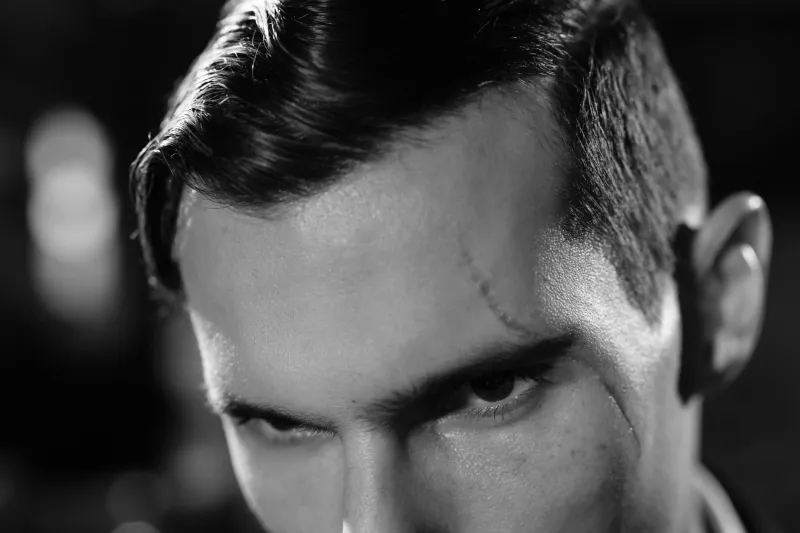
Where a character looks — or refuses to look — can quietly unravel everything you thought you understood about a scene. Directors have long used the mechanics of eye contact as a hidden storytelling lever, one that operates just below the surface of conscious viewing. This is how a single glance rewrites the whole movie.

Lights Out: Why Flickering, Shadows, and Darkness Are Cinema's Most Underrated Mind Games

Lights Out: Why Flickering, Shadows, and Darkness Are Cinema's Most Underrated Mind Games

Before a single jump scare lands, before the villain shows their face, the light in a scene has already done most of the heavy lifting. Filmmakers have long understood that intermittent light — a guttering candle, a dying fluorescent tube, a strobe cutting through smoke — doesn't just set a mood. It rewires how your nervous system processes what you're watching.

Hiding in the Light: The Secret Art of Burying Cinematic Gold Where You're Not Looking

Hiding in the Light: The Secret Art of Burying Cinematic Gold Where You're Not Looking

Some of the best things in movies aren't in the spotlight — they're tucked into corners, flashing past in half a second, or sitting quietly in the background while the main action hogs your attention. Directors have been playing this game for decades, and streaming has turned it into a full-blown obsession. Here's why the stuff you almost missed might be the most intentional thing on screen.

Everybody's Talking: The Messy, Brilliant Case for Dialogue You Can't Quite Hear

Everybody's Talking: The Messy, Brilliant Case for Dialogue You Can't Quite Hear

In most Hollywood movies, every line lands with perfect clarity — as if real people actually wait their turn. But a handful of filmmakers have spent careers doing something stranger and more honest: letting conversations collide, blur, and overlap until the screen sounds like life actually does. The difference between those two approaches tells you almost everything about how much a film trusts you.

Too Close for Comfort: How Extreme Close-Ups Weaponize the Human Face

Too Close for Comfort: How Extreme Close-Ups Weaponize the Human Face

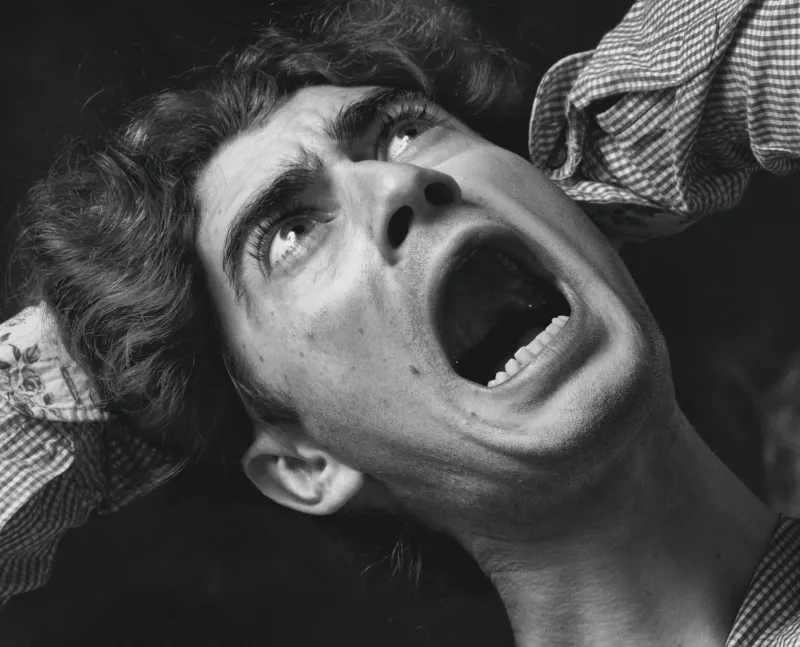
There's a reason you shift in your seat when a camera gets uncomfortably close to an actor's face. Filmmakers have long understood that proximity is its own kind of pressure — a tool just as potent as a jump scare or a swelling score. From the sweaty chaos of Uncut Gems to the gothic dread of Hereditary, extreme close-ups don't just show you characters — they invade them.

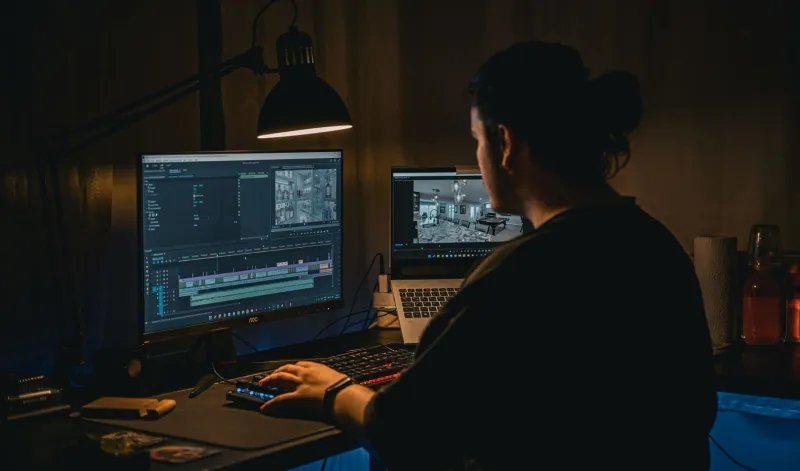
Your Brain on Fast Cuts: Why Modern Editing Is Rewiring the Way We Watch Movies

Your Brain on Fast Cuts: Why Modern Editing Is Rewiring the Way We Watch Movies

From the kaleidoscopic chaos of Everything Everywhere All at Once to the jet-fueled frenzy of Top Gun: Maverick, rapid-fire editing has become one of cinema's most powerful — and polarizing — tools. But why does it work so well on us? Turns out, the answer is less about filmmaking and more about how our brains are wired.